
Arthritis pain doesn’t follow a schedule. It shows up in moments that used to feel effortless: gripping a coffee mug, climbing stairs, turning a doorknob. What starts as occasional stiffness can progress into daily discomfort that reshapes how you move through the world.
Nearly 60 million American adults live with some form of arthritis, and many are looking beyond conventional medication for relief. Natural approaches can reduce arthritis pain and improve function when used alongside conventional care. From movement therapies to dietary changes, the options are broader than most people realize.
This guide explores evidence-based natural treatments that may help ease arthritis symptoms, providing temporary relief without harsh chemicals.
Introduction to Natural Arthritis Treatment
Homeopathy and other natural approaches have gained attention as complementary options for arthritis management. These methods focus on supporting the body’s natural healing processes rather than suppressing symptoms alone.
Natural treatments encompass a wide range of approaches including herbal supplements, movement therapies, dietary modifications, and alternative practices like acupuncture. What sets them apart is their emphasis on whole-body wellness rather than isolated symptom control.
Most experts recommend using natural approaches alongside medical care, not instead of it. Coordination between your healthcare provider and your natural treatment plan helps avoid interactions and ensures you’re not delaying effective treatment.
Understanding Different Types of Arthritis
Not all arthritis is the same, and treatments that work for one type may not help another. Osteoarthritis develops when cartilage breaks down over time, usually from wear and tear. It typically affects the hands and knees, as well as hips and spine.
Rheumatoid arthritis takes a different path. This autoimmune condition causes the immune system to attack joint linings, leading to inflammation and eventual joint damage. It often affects multiple joints symmetrically, such as both wrists or both knees.
Other forms include psoriatic arthritis (linked to the skin condition psoriasis), gout (caused by uric acid crystal buildup), and reactive arthritis (triggered by infections). People with arthritis may also experience chronic fatigue and widespread muscle pain, particularly with inflammatory types like rheumatoid arthritis. Some conditions like fibromyalgia share overlapping symptoms with arthritis, including joint stiffness and chronic pain.
Understanding which type you have matters because natural treatments often work better for specific forms. Fish oil, for instance, shows stronger evidence for rheumatoid arthritis than osteoarthritis.
Herbal Remedies and Supplements for Arthritis Relief
Plant-based remedies have been used for joint pain for centuries, and modern research has begun to validate some of these traditional approaches. The best-supported options include curcumin and omega-3 fatty acids. Glucosamine and chondroitin also show promise, along with several herbal extracts.
| Supplement | Best For | Typical Dose | Key Consideration |
|---|---|---|---|
| Curcumin | OA joint pain | 500-1000mg daily | Take with piperine for absorption |
| Fish oil (EPA/DHA) | RA inflammation | 2-3g daily | Check with doctor if on blood thinners |
| Glucosamine sulfate | Moderate-severe OA | 1,500mg daily | Often paired with chondroitin (1,200mg) |
Before adding any supplement to your routine, talk to your doctor. The FDA doesn’t monitor supplements the way it does medications, and some can interact with prescriptions or affect underlying health conditions.
Curcumin and Its Benefits
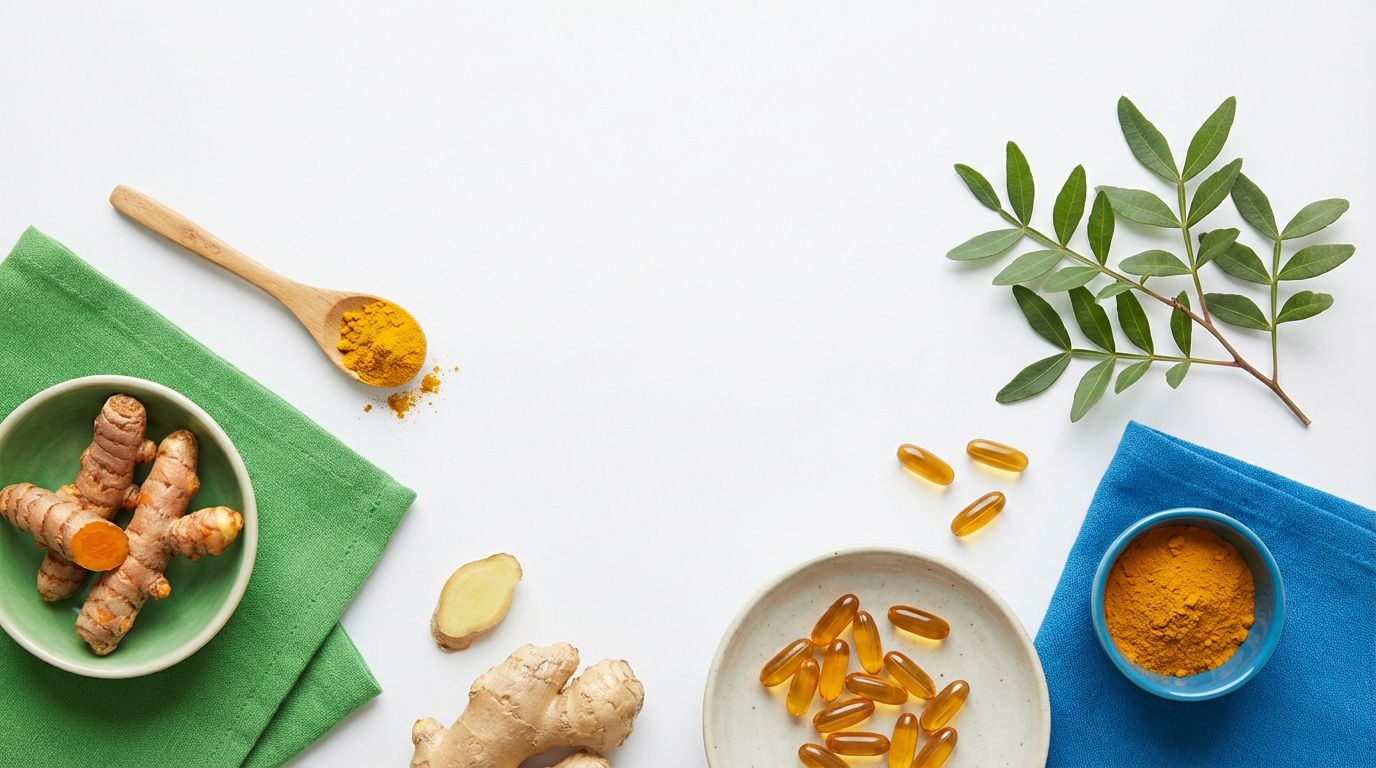
Turmeric’s active compound, curcumin, has emerged as one of the most researched natural options for arthritis. Multiple studies suggest it can reduce joint pain and swelling by blocking inflammatory cytokines and enzymes.
Curcumin works by reducing inflammatory markers in the body. Studies suggest taking 500-1000mg daily, though absorption can be an issue. Look for formulations that include black pepper extract (piperine) or are bound to phospholipids, which enhance bioavailability.
Most people tolerate curcumin well, though it may cause mild digestive upset in some cases. It can also thin blood, so avoid it if you’re taking anticoagulants.
The Role of Omega-3 Fatty Acids
Fish oil has shown promise for treating arthritis-related joint pain. The omega-3 fatty acids EPA and DHA reduce inflammation throughout the body, not just in joints.
Research shows the most benefit for rheumatoid arthritis, where fish oil may help reduce morning stiffness and tender joint counts. For osteoarthritis, the evidence is more mixed but still promising.
Typical doses range from 2-3 grams of combined EPA/DHA daily. Because fish oil also affects blood clotting, check with your doctor if you’re on blood thinners.
Glucosamine and Chondroitin
These two compounds are often sold together, though they work through different mechanisms. Glucosamine is a building block of cartilage, while chondroitin helps cartilage retain water and may slow cartilage breakdown.
The research on glucosamine and chondroitin shows mixed results. Some studies found they provided temporary relief from symptoms in people with knee osteoarthritis, while others showed no benefit [1]. They appear most helpful for people with moderate to severe osteoarthritis rather than mild cases.
The American College of Rheumatology notes that glucosamine sulfate (rather than glucosamine hydrochloride) tends to show better results in studies. Standard dosing is 1,500mg of glucosamine and 1,200mg of chondroitin daily.
Incorporating Exercise and Physical Activity
Movement might seem counterintuitive when your joints ache, but physical activity is one of the most effective natural interventions for arthritis. Exercise strengthens the muscles around joints, improves flexibility, and helps maintain a healthy weight. All of these factors reduce stress on affected joints.
The key is choosing low-impact activities that don’t aggravate symptoms. Swimming and cycling generally work well, as does walking. These activities minimize joint stress while building strength.
Tai Chi and Yoga
Tai chi combines gentle flowing movements with deep breathing and meditation. This ancient Chinese practice has gained recognition in Western medicine for arthritis management.
Research shows tai chi can improve balance, reduce pain, and enhance physical function in people with various types of arthritis. The slow, controlled movements are especially suitable for people with limited mobility or severe symptoms.
Yoga offers similar benefits through a different approach. Various styles exist, from gentle restorative classes to more vigorous flows. For arthritis, look for instructors experienced in therapeutic yoga who can modify poses as needed.
Both practices emphasize mind-body connection, which may help manage the stress and anxiety that often accompany chronic pain conditions.
Strength and Mobility Exercises
Targeted strength training builds muscle support around vulnerable joints. You don’t need heavy weights. Resistance bands and light dumbbells can be effective, as can your own body weight.
Focus on exercises that strengthen without straining. For knee arthritis, leg lifts and wall sits might help. Hand arthritis may respond to finger exercises with therapy putty.
Working with a physical or occupational therapist ensures you’re doing exercises correctly and not making symptoms worse. They can design a program specific to which joints are affected and your current fitness level.
Exploring Alternative Therapies: Acupuncture and More
Alternative therapies such as acupuncture fall outside conventional medicine but have gained acceptance as complementary approaches. Massage and hydrotherapy also fit this category. The evidence varies by therapy, with some showing stronger research support than others.
Benefits of Acupuncture for Arthritis
Acupuncture involves inserting thin needles at specific points on the body to promote healing and pain relief. While the exact mechanism remains debated, research suggests it may stimulate the nervous system to release pain-relieving chemicals.
Several studies have found acupuncture helpful for both osteoarthritis and rheumatoid arthritis. A UCLA Health review listed it among six natural ways to improve mobility and reduce pain [2].
Most people report minimal discomfort during treatment. Finding a licensed acupuncturist with experience treating arthritis patients improves your chances of benefit.
Hydrotherapy (water therapy) and therapeutic massage also show promise. The buoyancy of water reduces joint stress during exercise, while massage may ease muscle tension around painful joints.
Topical Solutions and Pain Relief Techniques
Topical treatments apply directly to the skin over painful joints, offering localized relief without systemic side effects. Options range from over-the-counter creams to simple home therapies.
Capsaicin cream, derived from chili peppers, works by depleting substance P, a neurotransmitter involved in pain signals. It may cause initial burning that usually lessens with continued use [3].
Botanical preparations like comfrey and arnica have traditional use for joint pain, though scientific evidence is more limited. Natral pain management options including topical remedies may provide temporary relief from symptoms when applied as directed.
Heat and Cold Therapy
Heat and cold offer simple, inexpensive pain relief you can use at home. They work through different mechanisms, so many people alternate between them.
Heat increases blood flow and relaxes muscles around stiff joints. Try warm baths, heating pads, or warm towels for 15-20 minutes at a time. Heat works especially well for morning stiffness.
Cold therapy reduces inflammation and numbs acute pain. Ice packs or cold compresses help most with swelling and pain flares. Wrap ice in a towel to avoid skin damage, and limit application to 15-20 minutes.
Some people find contrast therapy particularly helpful. This involves alternating heat and cold applications. Start with what feels better to your body, and don’t use heat on joints that are actively inflamed and swollen.
Importance of Diet and Nutrition
What you eat can influence inflammation levels throughout your body. While no single food will cure arthritis, dietary patterns may help reduce symptoms and improve overall health.
Excess weight puts additional stress on weight-bearing joints like knees and hips. Losing even 10-15 pounds can significantly reduce joint pain for many people with osteoarthritis.
Adopting an Anti-Inflammatory Diet
The Mediterranean diet consistently shows benefits for inflammatory conditions. This eating pattern emphasizes vegetables and fruits, along with whole grains and legumes. It also includes nuts, olive oil, and fish while limiting red meat and processed foods.
Specific foods may have anti-inflammatory properties:
| Food Group | Examples | Potential Benefits |
|---|---|---|
| Fatty fish | Salmon and sardines, plus mackerel | High in omega-3 fatty acids |
| Colorful produce | Berries and leafy greens, plus tomatoes | Rich in antioxidants |
| Healthy fats | Olive oil and nuts, plus avocados | Anti-inflammatory compounds |
| Herbs & spices | Turmeric and ginger, plus garlic | Natural anti-inflammatory agents |
Some people try elimination diets to identify food triggers, though evidence for specific food sensitivities in arthritis is limited. Vegetarian and vegan diets have shown some benefit for rheumatoid arthritis in particular.
Ginger, another anti-inflammatory herb, can be consumed fresh in cooking or taken as a supplement. Like turmeric, it may offer temporary relief from symptoms.
When to Consult a Healthcare Professional
Natural approaches work best as part of a comprehensive treatment plan, not as a replacement for medical care. See your doctor if you experience new or worsening joint pain. Also seek care for swelling, redness, or stiffness that lasts more than a few days.
Some warning signs require prompt medical attention: sudden severe pain and swelling, inability to move a joint through its normal range, joint deformity or instability, fever accompanying joint symptoms, or rapid progression of symptoms.
Before starting any new supplement or therapy, discuss it with your healthcare provider. This is especially important if you take prescription medications, have other health conditions, or are pregnant or nursing.
TRP’s FDA-registered natural remedies are formulated to work alongside conventional care, providing temporary relief from symptoms with 100% natural active ingredients. With 35+ years of expertise, TRP focuses on gentle, natural approaches to common health concerns.
Long-Term Strategies for Managing Arthritis Naturally
Successful arthritis management requires consistency rather than quick fixes. Building sustainable habits gives you the best chance of long-term symptom control.
Create a daily routine that includes movement, even on difficult days:
- Morning – Gentle stretching when you wake up to ease overnight stiffness
- Midday – A short walk after lunch to maintain mobility
- Evening – Relaxation exercises to reduce tension and prepare for sleep
Track what works for you. Keep notes on which activities, foods, or therapies seem to help or worsen symptoms. Patterns often emerge over weeks or months that aren’t obvious day to day.
Managing stress matters more than most people realize. Chronic pain and stress feed each other in a cycle that can worsen both conditions. Finding effective stress management techniques supports overall wellness. This might include meditation, deep breathing, or activities you enjoy.
Consider working with multiple specialists. Physical therapists and occupational therapists can help, as can nutritionists and rheumatologists. Each brings different expertise. A coordinated team approach often yields better results than working with providers in isolation.
Arthritis therapy options continue to expand as research uncovers new insights into natural approaches. Staying informed about emerging treatments while maintaining evidence-based practices gives you the best of both worlds.
FAQs about Natural Treatments for Arthritis Pain
What is the best natural remedy for arthritis pain?
There’s no single “best” remedy because arthritis affects people differently. The strongest evidence supports curcumin, omega-3 fatty acids, and regular low-impact exercise. Combination approaches often work better than relying on one intervention alone. For example, taking fish oil while doing tai chi and following an anti-inflammatory diet.
How long do natural treatments take to work for arthritis?
Most natural treatments require patience. Fish oil typically takes 2-3 months to show benefit for rheumatoid arthritis. Glucosamine and chondroitin may need 4-8 weeks. Exercise benefits often appear within a few weeks but continue to improve over months. If you see no change after giving a treatment adequate time at proper doses, it may not work for your specific situation.
Can I use multiple natural treatments at once?
Yes, but coordinate with your healthcare provider. Many natural approaches work through different mechanisms and can complement each other safely. However, some combinations increase risks. Fish oil can affect blood clotting, so discuss with your doctor if you’re on blood thinners or other supplements that affect clotting. Your doctor can help you build a safe, effective combination plan.
Are natural treatments safe for all types of arthritis?
Different types of arthritis respond differently to natural treatments. Some approaches show broader benefits across multiple arthritis types. Fish oil and curcumin fall into this category. Others work better for specific forms. For example, glucosamine primarily helps osteoarthritis rather than inflammatory types like rheumatoid arthritis [3]. Safety also varies by individual health status and medications.
Do I need to stop my prescription medications if I use natural treatments?
Never stop prescription medications without your doctor’s guidance. Natural approaches are meant to complement conventional care, not replace it. Some people find natural treatments allow them to reduce medication doses over time, but this decision should always involve your healthcare provider monitoring your symptoms and disease progression.
Can diet alone manage arthritis symptoms?
While dietary changes can reduce inflammation and support joint health, diet alone rarely provides complete symptom control for moderate to severe arthritis. The Mediterranean diet shows the most consistent benefits [2], particularly for inflammatory types. Food works best as one component of a multi-faceted approach including movement, stress management, and appropriate medical care.
References
[1] EBSCO CAM Review Board. “Natural treatments for osteoarthritis | Research Starters | EBSCO Research.” ebsco.com, 2024. https://www.ebsco.com/research-starters/complementary-and-alternative-medicine/natural-treatments-osteoarthritis
[2] UCLA Health. “Managing arthritis? 6 natural ways to improve mobility and reduce pain.” uclahealth.org, 2024-11-18. https://www.uclahealth.org/news/article/managing-arthritis-6-natural-ways-improve-mobility-and
[3] Arthritis Foundation. “9 Supplements for Arthritis.” arthritis.org, 2022-12-19. https://www.arthritis.org/health-wellness/treatment/complementary-therapies/supplements-and-vitamins/supplements-for-arthritis