
Most people expect heartburn to fade after a few antacids. When it keeps returning night after night, the frustration builds. You start wondering if you’ll ever eat a meal without paying for it later. At The Relief Products, we’ve spent over 35 years developing natural solutions for digestive discomfort, and we understand that lasting relief requires more than a quick fix.
The good news: effective heartburn management combines the right remedies with simple lifestyle adjustments. This guide walks you through natural over-the-counter options, foods that help and hurt, and practical changes you can start today. Whether you’re dealing with occasional flare-ups or frequent episodes, these approaches work with your body rather than against it.
Home Remedies for Heartburn
Natural Over-the-Counter Options
Natural remedies offer an alternative to conventional heartburn medications, working through different mechanisms to provide temporary relief from symptoms. Research shows that alginate-based formulations create a physical barrier between stomach contents and the esophagus, performing comparably to conventional options in clinical trials.[1]
How to use natural OTC remedies effectively:
- Take Heartburn Relief Tablets at the first sign of discomfort
- Allow 20-30 minutes for relief to begin
- Repeat dosage as directed on product labeling
- Use before meals if you know certain foods trigger symptoms
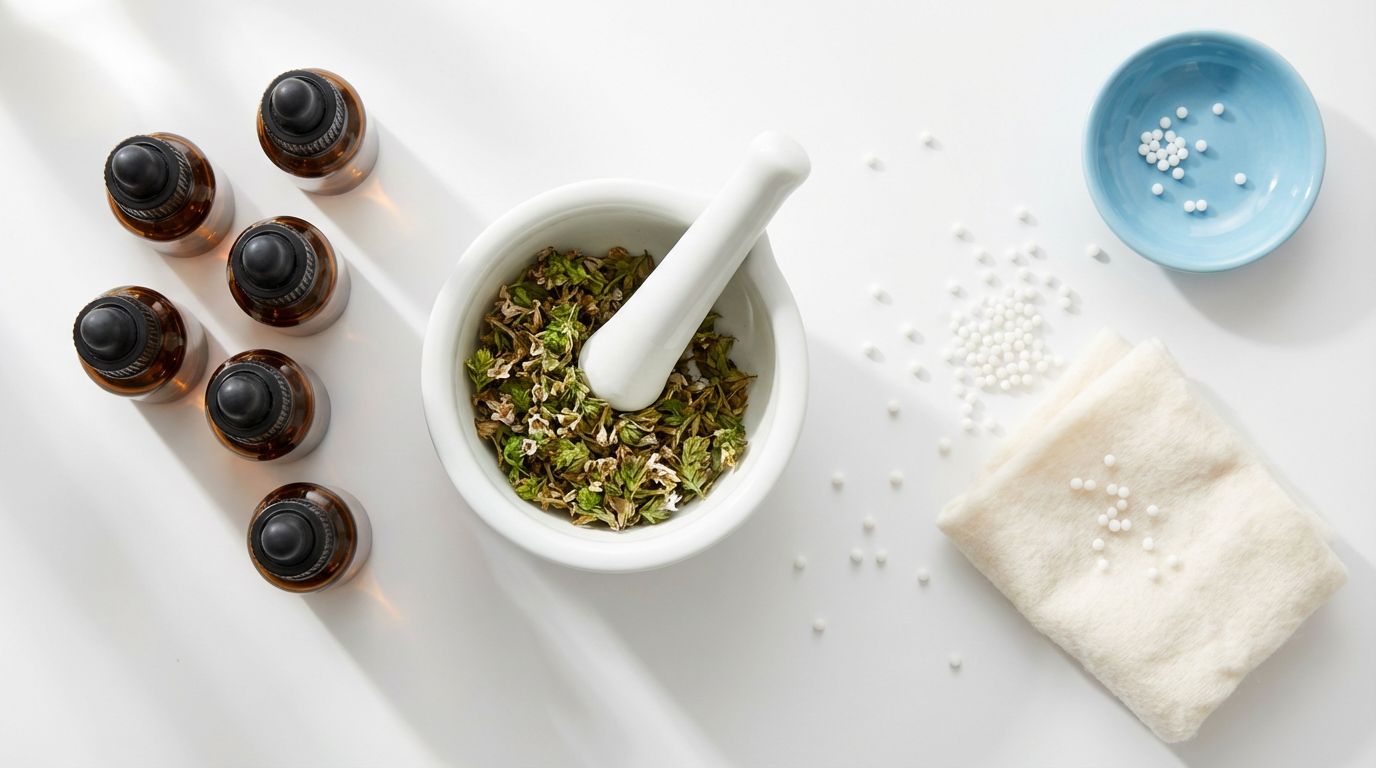
Homeopathic formulations work with your body’s natural processes to provide temporary relief. Our Fast Dissolving Tablets deliver active ingredients quickly without water, making them convenient for use anywhere. Understanding how homeopathy works helps you use these remedies most effectively.
Safe Remedies for Children
Children experience heartburn differently than adults, and their remedies require careful consideration. The burning sensation often shows up after large meals, spicy foods, or lying down too soon after eating.
| Age Group | Recommended Approach | Important Notes |
|---|---|---|
| Under 2 years | Consult pediatrician only | No OTC remedies without medical guidance |
| Ages 2-6 | Half adult dose if product allows | Read labels carefully; some products are adult-only |
| Ages 6-12 | Three-quarters to full dose | Monitor for improvement within 30 minutes |
| Ages 12+ | Adult dosage | Follow standard product instructions |
Key considerations for parents:
- Keep a food diary to identify triggers specific to your child
- Ensure at least 2 hours between meals and bedtime
- Smaller, more frequent meals reduce stomach pressure
- Carbonated drinks and citrus often worsen symptoms
Effective Herbal Ingredients
Several herbal ingredients have documented effectiveness for providing temporary relief from heartburn symptoms. A comprehensive review of medicinal plants found multiple herbs that performed comparably to conventional medications in clinical settings.[2]
Herbs with clinical evidence:
- Slippery elm: Creates a protective coating in the digestive tract. Take 1-2 tablespoons of powder mixed in water before meals.
- Deglycyrrhizinated licorice (DGL): Supports the stomach lining without the blood pressure effects of regular licorice. Chew 2-4 tablets (380mg each) before meals.
- Marshmallow root: Soothes irritated tissue with its mucilage content. Steep 5-6 grams in hot water for tea, drinking 3-4 times daily.
- Chamomile: Provides gentle digestive support. Brew 1-3 grams as tea, 3-4 times daily.[3]
- Ginger: Supports healthy digestion and reduces stomach acid production. Use fresh ginger in cooking or steep slices in hot water.
Aloe vera juice is increasingly preferred for digestive support, though you should choose products specifically formulated for internal use. Many find it soothes the digestive tract when taken in small amounts before meals.
Foods to Eat and Avoid for Heartburn
Foods That May Cause Heartburn
Certain foods relax the lower esophageal sphincter or increase stomach acid production, making heartburn more likely. Recognizing your personal triggers helps you make informed choices.
Common trigger foods:
- High-fat foods: Fried items, fatty meats, and rich sauces slow digestion
- Citrus fruits: Oranges and grapefruit increase acidity (also lemons and limes)
- Tomatoes and tomato sauce: Highly acidic, especially concentrated in sauces
- Chocolate: Contains caffeine and compounds that relax the esophageal sphincter
- Mint: Despite being soothing for other conditions, mint can worsen reflux
- Spicy foods: Capsaicin irritates the digestive tract in many people
- Caffeine and alcohol: Both relax the sphincter and increase acid production
- Carbonated beverages: Create pressure that pushes stomach contents upward
Foods That Help Prevent Heartburn
Building your diet around low-acid, high-fiber foods reduces heartburn frequency for many people.
| Food Category | Good Choices | Why They Help |
|---|---|---|
| Vegetables | Leafy greens and broccoli | Low acid, high fiber |
| Lean proteins | Chicken and fish | Digest efficiently without excess fat |
| Whole grains | Oatmeal and brown rice | Absorb stomach acid, provide fiber |
| Non-citrus fruits | Bananas and melons | Low acidity, naturally soothing |
| Healthy fats | Avocado and olive oil | In moderation, easier to digest than saturated fats |
| Ginger | Fresh or as tea | Supports healthy digestion |
Eating smaller portions and chewing thoroughly gives your digestive system time to process food without overloading. Many people find that eating their largest meal at midday rather than dinner reduces nighttime symptoms.
Lifestyle Changes for Heartburn Prevention
Sleeping Positions
How you sleep matters as much as what you eat. Gravity works in your favor when your head stays elevated above your stomach.
Optimal sleeping position:
Lie on your left side with your head elevated 6-8 inches above your stomach. This position keeps your esophagus above stomach level while the stomach’s natural curve prevents contents from reaching the sphincter. Use a wedge pillow or raise the head of your bed on blocks rather than stacking regular pillows, which can bend your neck uncomfortably.
Positions to avoid:
- Flat on your back: Allows easy acid movement into the esophagus
- Right side: Places the stomach above the esophageal sphincter
- Face down: Compresses the stomach and increases pressure
Wait at least 2-3 hours after eating before lying down. This gives your stomach time to empty and reduces the amount of acid available to reflux.
Stress Management Techniques
Stress doesn’t cause heartburn directly, but it changes how your body handles digestion. Tension increases stomach acid production and can slow the movement of food through your system. Our guide to making life comfortable with digestive issues covers additional strategies for daily management.
Practical stress reduction:
- Deep breathing: Take 5 slow breaths before each meal to activate your parasympathetic nervous system
- Regular exercise: Even 20 minutes of walking daily improves digestion and reduces stress hormones
- Mindful eating: Focus on your food rather than screens; chewing slowly aids digestion
- Consistent sleep schedule: Poor sleep worsens stress and digestive function
When to Seek Medical Advice for Heartburn
Occasional heartburn responds well to home remedies and lifestyle changes. Persistent or severe symptoms need professional evaluation to rule out underlying conditions.
See a healthcare provider if you experience:
- Heartburn occurring more than twice weekly for several weeks
- Symptoms that don’t improve with OTC remedies
- Difficulty swallowing or pain when swallowing
- Unintended weight loss
- Persistent nausea or vomiting
- Black or bloody stools
- Chest pain (seek immediate care to rule out cardiac causes)
- Symptoms that wake you from sleep regularly
These signs may indicate GERD or other conditions requiring medical management beyond home remedies. Your healthcare provider can recommend appropriate testing and treatment options.
Understanding Heartburn and GERD Differences
Heartburn and GERD exist on a spectrum. Knowing the difference helps you choose the right management approach.
| Characteristic | Occasional Heartburn | GERD |
|---|---|---|
| Frequency | Less than twice weekly | More than twice weekly |
| Response to OTC remedies | Usually effective | Often insufficient alone |
| Trigger pattern | Clear food/activity triggers | May occur without obvious cause |
| Esophageal damage | None | Possible over time |
| Treatment approach | Lifestyle changes, OTC remedies | May need prescription medications |
| Duration | Temporary episodes | Chronic condition |
Heartburn describes the symptom: a burning sensation rising from the stomach toward the throat. GERD (gastroesophageal reflux disease) is a chronic condition where the lower esophageal sphincter doesn’t close properly, allowing frequent acid reflux.[4] While millions of people experience heartburn, only a portion develop GERD.
If lifestyle modifications and natural remedies provide adequate relief, you’re likely managing occasional heartburn. When symptoms persist despite consistent effort, GERD evaluation helps ensure you receive appropriate care.
FAQs About Heartburn Remedies
How quickly do natural heartburn remedies work?
Most people notice relief within 20-30 minutes of taking homeopathic tablets or drinking herbal teas. Alginate-based remedies work fastest by forming a physical barrier. Lifestyle changes show cumulative benefits over days to weeks.
Can I take natural remedies with prescription heartburn medication?
Most natural remedies don’t interfere with prescription medications, but tell your healthcare provider everything you take. Some herbal ingredients may affect absorption timing of other medications.
Are natural heartburn remedies safe during pregnancy?
Many pregnant women experience heartburn due to hormonal changes and pressure from the growing baby. Consult your obstetrician before using any remedy, natural or otherwise, during pregnancy.
What’s the best way to prevent nighttime heartburn?
Stop eating 2-3 hours before bed, sleep on your left side with head elevated, and avoid trigger foods at dinner. Keep a small wedge pillow by the bed for nights when symptoms strike anyway.
Why does heartburn get worse when I lie down?
Gravity normally helps keep stomach contents in place. When you lie flat, acid moves more easily into the esophagus. Elevating your head 6-8 inches uses gravity to your advantage even while horizontal.
Can stress really cause heartburn?
Stress doesn’t directly cause acid reflux, but it increases acid production and slows digestion. Many people notice flare-ups during stressful periods. Stress management techniques genuinely reduce heartburn frequency for those affected.
How long should I try natural remedies before seeing a doctor?
Give lifestyle changes and natural remedies 2-4 weeks of consistent use. If symptoms remain frequent or severe, schedule an appointment. Don’t wait if you experience warning signs like difficulty swallowing, unexplained weight loss, or bloody stools.
Natural heartburn management works best as a comprehensive approach. Combining the right remedies with dietary awareness and lifestyle adjustments gives most people meaningful relief. Our full digestive health collection offers additional natural options for those managing multiple digestive concerns. When you work with your body’s natural processes rather than overriding them, lasting comfort becomes achievable.
References
[1] PMC Research Team. “Alginate-antacid combinations for GERD.” PubMed Central (NIH), 2016. https://pmc.ncbi.nlm.nih.gov/articles/PMC5080480/
[2] Salehi M, Karegar-Borzi H, Karimi M, Rahimi R. “Medicinal Plants for Management of Gastroesophageal Reflux Disease: A Review.” Journal of Alternative and Complementary Medicine, February 2017. https://www.liebertpub.com/doi/10.1089/acm.2016.0233
[3] Luchterhand C, Kiefer D, Rakel D, Podein R. “An Integrative Approach to GERD – Patient Handout.” University of Wisconsin School of Medicine, March 2012. https://www.fammed.wisc.edu/files/webfm-uploads/documents/outreach/im/module_gerd_patient.pdf
[4] Gastrointestinal Society (GIS). “Natural and Over-the-Counter Heartburn Treatments.” badgut.org, 2020. https://badgut.org/information-centre/a-z-digestive-topics/natural-counter-heartburn-treatments/