
Pick up almost any bruise cream, muscle rub, or post-workout gel at the pharmacy and turn it over. Somewhere in the ingredient list, printed in small type next to words most people cannot pronounce, you will often find one that keeps showing up: arnica. It sits in first aid kits, gym bags, and medicine cabinets around the world, yet a lot of the people reaching for it could not say what it actually is or what it does.
At The Relief Products, we spend our days studying the plants and natural active ingredients that have earned a place in homeopathic medicine, and arnica is one of the most familiar names in that tradition. It is a flowering herb with a long history in folk remedies, a growing body of clinical research behind its topical use, and a few important safety considerations that every reader should understand before using it.
This article walks through what arnica is, the conditions it is commonly used for, how its active compounds work, what the research actually shows, the difference between topical and homeopathic forms, and who should check with a healthcare provider first. Consider it a plain-language guide to a plant you have probably already been using.
What Is Arnica? A Closer Look at the Plant
Arnica refers most often to Arnica montana, a perennial herb native to the mountainous regions of central Europe. The wider Arnica genus also includes species that grow wild across parts of North America. It belongs to the Asteraceae family, the same botanical group that includes sunflowers and marigolds. Over the centuries it has picked up a handful of vivid common names, including mountain tobacco, leopard’s bane, and wolf’s bane, most of them nods to its rugged alpine habitat.
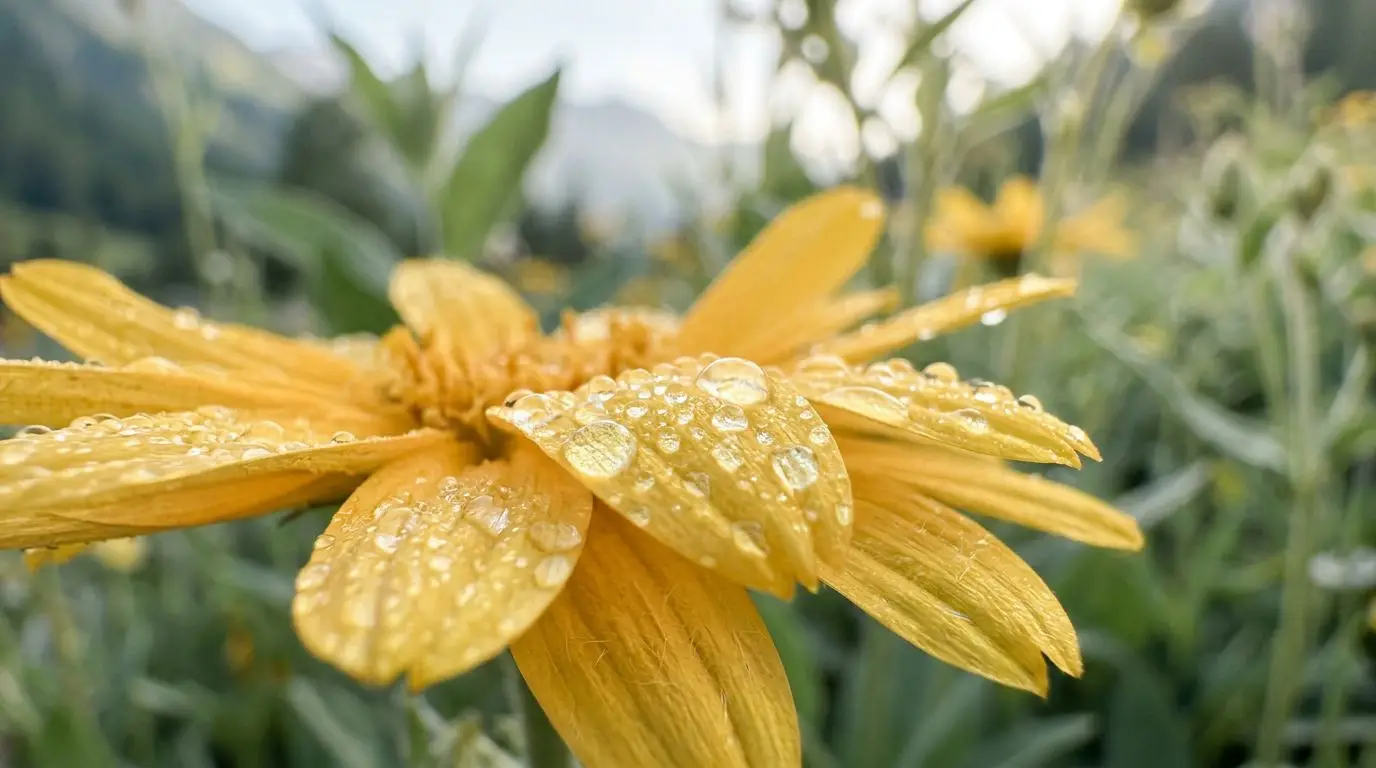
The parts used in natural remedies are the bright yellow-orange flowers and, less commonly, the roots. Herbalists in Europe have relied on arnica flower preparations for hundreds of years, mainly applied to the skin over bruises and sprains and to sore, overworked muscles. That long track record is part of why arnica remains a fixture in natural medicine cabinets today.
One point deserves emphasis right away, because every credible source stresses it. In its pure, undiluted form, arnica is toxic if swallowed. According to Cleveland Clinic, arnica contains roughly 150 bio-active components with varying effects on the body [1]. Some of those compounds are precisely what make it useful when applied correctly to the skin, and precisely what make it dangerous when taken by mouth in concentrated form. That distinction, between careful external use and unsafe internal use, shapes almost everything else worth knowing about the plant.
What Is Arnica Used For? The Main Applications
Arnica shows up across a fairly consistent set of uses, most of them involving the aches and swelling that come from everyday knocks and overexertion. It is important to frame these as traditional and emerging uses rather than proven cures. In most cases the language you will see on reputable sources is “commonly used for,” “may help with,” or “some research suggests.”
The table below summarizes the most common applications and the form typically reached for in each case.
| Common Use | Form Typically Used | Notes |
|---|---|---|
| Bruises and hematomas | Topical gel, cream, or ointment | The most widely recognized use; applied to intact skin over the bruised area |
| Sprains and strains | Topical gel or cream | Traditionally used after minor sports and household injuries |
| Joint pain and arthritis | Topical gel | Some clinical research compares topical arnica to topical anti-inflammatory gels |
| Muscle soreness and overexertion | Topical cream or homeopathic pellets | Popular among runners and athletes after intense activity |
| Post-surgical swelling and bruising | Topical or homeopathic forms | Evidence is mixed and depends heavily on the procedure |
A key distinction runs through all of these uses. Topical herbal arnica, the gels and creams applied directly to the skin, contains a meaningful concentration of the plant’s compounds. Homeopathic arnica, sold as highly diluted tablets, pellets, or drops, is prepared very differently and works on the principles of homeopathy rather than direct pharmacological dose.
Traditional use of arnica has been recognized by European herbal medicine authorities for external applications including bruises, sprains, or muscle pain. That recognition reflects generations of practical use, though it is not the same thing as a modern regulatory approval for any specific condition. When you see arnica on a label, it is almost always positioned to provide temporary relief from the symptoms of minor aches and bruising, not to cure an underlying problem.
How Arnica Works: The Active Compounds
Arnica’s effects come from a mix of plant chemicals, several of which have been studied for their role in inflammation and pain. The most researched group is the sesquiterpene lactones, and one of them called helenalin does much of the heavy lifting.
Helenalin belongs to the sesquiterpene lactones, the constituents that interfere with a signaling protein called NF-kB. Think of NF-kB as a switch that helps turn on the body’s inflammatory response. When these compounds block that switch from binding to DNA, they dial down the production of pro-inflammatory messengers, which is one plausible explanation for why topical arnica may ease the swelling and tenderness around a bruise or strain [2].
Beyond helenalin, a few other compound families contribute:
- Flavonoids act as antioxidants and add their own mild anti-inflammatory effect.
- Essential oils contribute antimicrobial activity.
- Phenolic compounds are associated with analgesic, or pain-easing, properties.
Reviews of the clinical research attribute arnica’s anti-inflammatory and analgesic activity, along with its traditional use for rheumatic complaints, largely to these sesquiterpene lactones and flavonoids working alongside the plant’s essential oils rather than to any single ingredient. It is the combination, not one magic molecule, that gives the plant its reputation. This is also a reminder of why concentration and preparation matter so much: the same chemistry that soothes a bruise on the skin behaves very differently when concentrated arnica is swallowed.
What the Research Says About Arnica
The evidence for arnica is genuinely interesting, and also genuinely mixed. Topical herbal forms have the stronger track record, while the picture for homeopathic oral forms is much less clear. An honest look means holding both of those truths at once.
Bruising. This is arnica’s best-supported use. Memorial Sloan Kettering Cancer Center notes that clinical trials show topical arnica significantly reduces bruising compared with placebo and with low-concentration vitamin K ointments [2]. For a plant best known for easing bruises, the research broadly backs up the reputation.
Joint pain and osteoarthritis. Some of the most cited work involves hand osteoarthritis. In a study of 204 patients with osteoarthritis of the finger joints, a topical arnica gel applied three times daily showed effectiveness similar to topical ibuprofen for pain, hand function, and morning stiffness [3]. A separate 2013 Cochrane review reached a comparable conclusion, finding topical arnica gel probably results in similar benefits to topical ibuprofen for osteoarthritis of the hand.
Muscle soreness. The findings here are more nuanced. In a study of 82 marathon runners, an arnica preparation taken twice daily improved muscle soreness immediately after the race, though it did not protect against underlying muscle cell damage [3]. Not every study is positive, either. One trial of a 7% topical gel actually reported a significant increase in calf pain 24 hours after calf exercises [4]. Results depend on the preparation, the concentration, and the timing.
Post-surgical recovery. The evidence is genuinely split. Reported results show arnica eased pain following tonsillectomy and helped a subgroup of knee (cruciate ligament) surgery patients, but was not helpful after eyelid surgery (blepharoplasty). In other words, benefit in one procedure does not predict benefit in another.
It is worth adding a balanced note about homeopathic oral arnica specifically. A systematic review published in Archives of Surgery concluded that homeopathic arnica was no more effective than placebo in the most methodologically rigorous controlled trials. That finding sits alongside the more encouraging topical research, and the responsible takeaway is that the science is still evolving. Topical arnica has earned real clinical interest, while the case for highly diluted oral forms remains debated.
Topical vs. Homeopathic Arnica: Understanding the Difference
Walk into a store looking for arnica and you will meet two very different products under the same name. Confusing them is easy, and understanding the difference is one of the most useful things a first-time buyer can learn.
Topical herbal arnica is a relatively concentrated preparation of the plant, formulated into gels, creams, or ointments meant to be rubbed into intact skin. Homeopathic arnica is prepared according to the principle of extreme dilution, where the source material is diluted in repeated steps, then made into tablets, pellets, or drops. If the idea of a highly diluted remedy is new to you, our overview of what homeopathy is explains the underlying principles in plain terms.
| Form | How It’s Prepared | Typical Use | Evidence Level |
|---|---|---|---|
| Topical herbal arnica | Concentrated plant extract in a gel, cream, or ointment | Applied to skin for bruises and sprains and for muscle or joint aches | Stronger clinical support, especially for bruising and osteoarthritis |
| Homeopathic arnica | Highly diluted preparation (for example C12, C30, C200) | Tablets, pellets, or drops for soreness and bruising | Mixed; rigorous trials of oral forms have shown results comparable to placebo |
As a homeopathic medicine company with more than three decades of formulation experience, we work within the homeopathic tradition, using 100% natural active ingredients and manufacturing under CGMP (Current Good Manufacturing Practices) standards. We do not claim that any homeopathic product cures a condition. What homeopathic remedies are positioned to do is provide temporary relief from the symptoms people are seeking help with, using gentle ingredients drawn from nature. Knowing which form of arnica you are holding, and what each is realistically meant for, keeps expectations grounded.
Forms of Arnica: What to Look For
Once you know the topical-versus-homeopathic split, choosing a specific product gets easier. Arnica is sold in a range of formats:
- Topical: gels and creams, plus ointments or roll-ons
- Homeopathic: tablets and pellets, plus tinctures or drops
On the label, homeopathic products usually carry a dilution notation such as “D” or “C” followed by a number, which tells you how many dilution steps the preparation went through. Topical herbal products from Europe may display a traditional herbal registration mark. Reading these small details helps you match the product to your intended use.
A few practical pointers apply to topical arnica in particular. It is generally applied to the affected area two to three times per day. It should not be used on broken or damaged skin, and it is not meant for use on open wounds. Many sources also advise against using topical arnica continuously for more than a few days without checking in with a healthcare provider. And to repeat the single most important rule: pure, undiluted arnica is not for internal use.
This careful, preparation-conscious mindset is close to how we think about our own formulations. Our pain management line uses Fast Dissolving Tablet™ technology, designed to dissolve quickly on the tongue so the active ingredients can go to work without droppers or water. The common thread with arnica is respect for how a natural ingredient is prepared and delivered, because that is what determines whether it helps or harms.
Who Should Avoid Arnica
Arnica is well-tolerated by many people when used topically as directed, but it is not right for everyone. Several groups should talk with a healthcare provider before using it in any form:
- People with allergies to plants in the Asteraceae (daisy) family. This group includes ragweed and marigolds as well as chrysanthemums, sunflowers, or dandelions
- Women who are pregnant or breastfeeding
- Infants and young children, unless specifically advised by a provider
- Anyone taking blood thinners or anticoagulants, such as warfarin
- People with known bleeding disorders
- Anyone scheduled for surgery, since providers often advise stopping use about two weeks beforehand
- People with severe liver or kidney conditions
- Anyone with broken, damaged, or irritated skin at the intended application site
There are also a few interactions worth keeping in mind. Arnica may interact with antiplatelet medications like aspirin and clopidogrel (Plavix), with the anticoagulant warfarin, and with certain herbal supplements that can affect bleeding, including ginger and ginkgo, ginseng, or garlic. If you take any of these regularly, a quick conversation with your pharmacist or physician is the safest next step before adding arnica to your routine.
Arnica Safety: What You Need to Know
The central safety message for arnica is straightforward. Pure, undiluted arnica should never be taken by mouth. According to Cleveland Clinic, swallowing the whole plant or large amounts of undiluted arnica can cause vomiting, shortness of breath, a rise in blood pressure, or a rapid heartbeat, and in severe cases far worse [1]. Homeopathic arnica, by contrast, is so highly diluted that standard retail preparations are generally considered safe for most adults when used as directed.
For topical use, the main thing to watch for is skin reaction. Applied to intact skin, arnica gels and creams are well-tolerated by many people, but some individuals may experience skin dryness, itchiness, or rash [4]. Doing a small patch test first, and avoiding broken skin, reduces the chance of irritation.
Natural Pain Relief: Where Arnica Fits
Arnica is one thread in a much larger tradition of using plant-derived substances to support the body’s natural response to aches, bruises, or stiffness. Homeopathic medicine has drawn on botanicals like this for a very long time, choosing gentle, natural active ingredients and preparing them with care so they work with the body rather than overwhelming it. That philosophy is exactly what draws many families to natural options in the first place.
At The Relief Products, our approach to pain management grows out of the same homeopathic tradition that made plant-based remedies like arnica a fixture of natural medicine cabinets. We do not carry an arnica product, and it would be misleading to suggest otherwise. What we do offer is a line of homeopathic formulations built on 100% natural active ingredients for people looking for a gentle, natural approach to everyday discomfort. Our Arthritis Therapy Tablets, for instance, are formulated to provide temporary relief from symptoms of joint pain and stiffness, the same kinds of aches that lead many people to topical arnica in the first place.
If you want to go deeper on the broader landscape, our guide to homeopathic pain relief options walks through how natural remedies fit alongside conventional approaches, and our overview of natural approaches to ease arthritis pain is a useful companion for anyone focused on joint comfort. Arnica is a good example of why we pay such close attention to natural ingredients: used thoughtfully, plants have a real place in how families care for their health.
Frequently Asked Questions
Is arnica safe to take by mouth?
Pure, undiluted arnica should not be taken by mouth. In concentrated form it is toxic when swallowed and can cause serious reactions. The exception is properly prepared homeopathic arnica, which is so highly diluted that standard retail products are generally considered safe for most adults when used as directed. If you are unsure which form you have, check with a pharmacist before taking anything internally.
Can you use arnica on broken skin?
No. Topical arnica is meant only for intact skin. It should not be applied to open wounds, cuts, or broken or damaged skin, where it can increase the risk of irritation and greater absorption. Wait until the skin has healed, or choose a different option, if the area is not intact.
How often can you apply arnica gel?
Topical arnica gel is generally applied to the affected area two to three times per day. Many sources also suggest not using it continuously for more than a few days without checking with a healthcare provider. Always follow the specific directions on your product’s label.
Is arnica the same as Arnica montana?
In most cases, yes. When a product simply says “arnica,” it almost always refers to Arnica montana, the mountain herb in the daisy family that is used in the vast majority of arnica remedies. A handful of related species exist, but Arnica montana is the one behind the gels, creams, or pellets you are most likely to encounter.
What is the difference between topical arnica and homeopathic arnica?
Topical arnica is a concentrated plant preparation in a gel, cream, or ointment applied to the skin, and it has the stronger base of clinical research, especially for bruising and joint pain. Homeopathic arnica is a highly diluted preparation taken as tablets, pellets, or drops, prepared according to the principles of homeopathy. They share a name and a plant of origin, but they are prepared very differently and are used in different ways.
References
[1] Cleveland Clinic Health Team; Reviewed by Candice Price, DC. “Arnica: What It Is and How To Use It.” Cleveland Clinic, February 20, 2023. https://health.clevelandclinic.org/arnica
[2] MSKCC Integrative Medicine Team. “Arnica.” Memorial Sloan Kettering Cancer Center, May 6, 2022. https://www.mskcc.org/cancer-care/integrative-medicine/herbs/arnica
[3] Kayla Coad, PT, DPT. “Effectiveness and Safety of Arnica montana in Post-Surgical Setting, Pain and Inflammation.” Physical Therapy First, November 9, 2020. https://physicaltherapyfirst.com/blog/effectiveness-of-arnica-montana-in-post-surgical-settings-pain-and-inflammation/
[4] Katey Davidson, MScFN, RD, CPT; Medically reviewed by Jillian Kubala, MS, RD. “Arnica Homeopathic Medicine.” Healthline, July 20, 2020. https://www.healthline.com/nutrition/arnica-homeopathic